
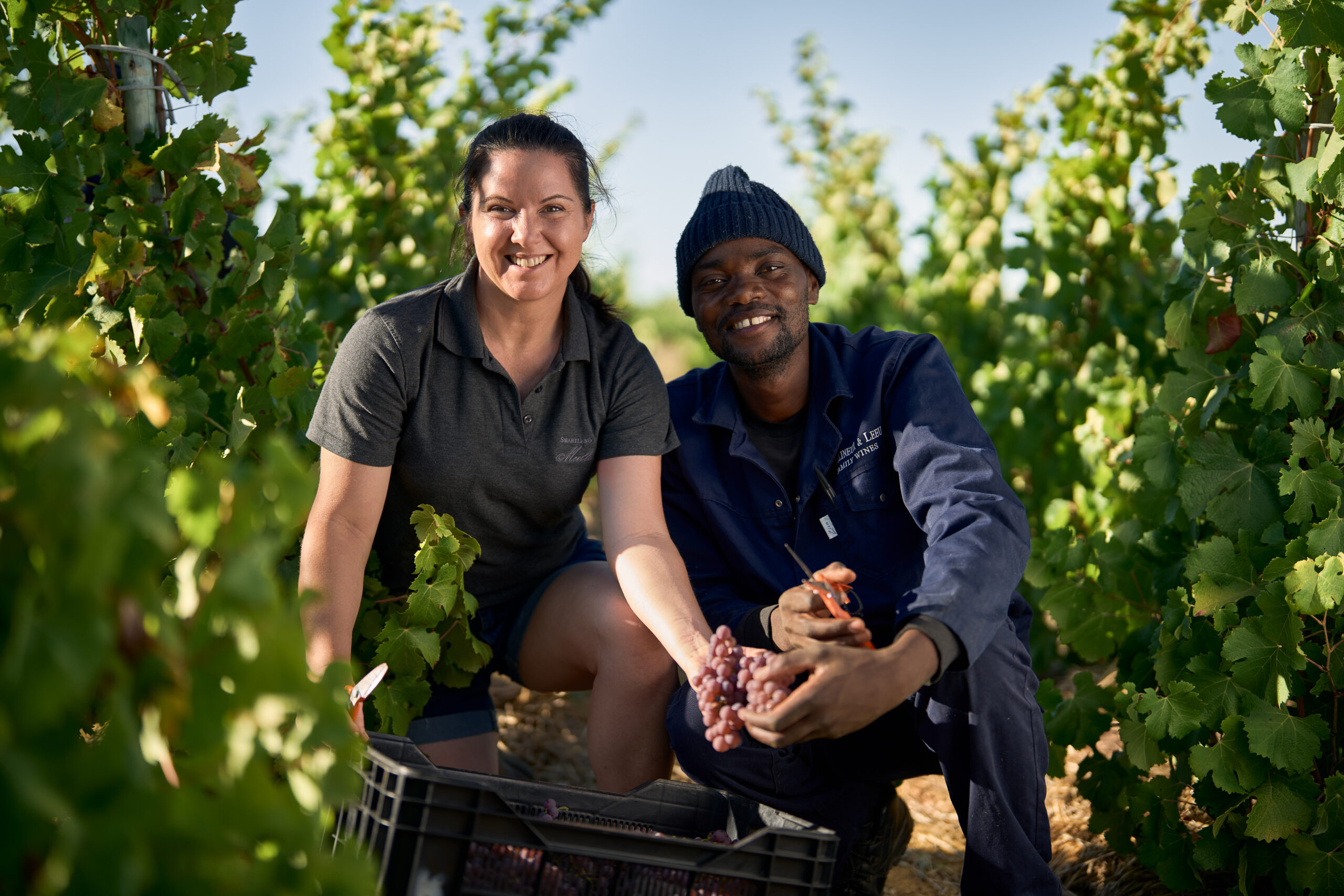
South Africa, and the world, has a new grape variety. Unlike modern varieties created in laboratories, Sémillon Gris emerged from the Cape’s long viticultural history. After more than a decade of selection, analysis and propagation, this historic grape has now been officially recognised and certified, with the world’s first Sémillon Gris vineyard planted and thriving.
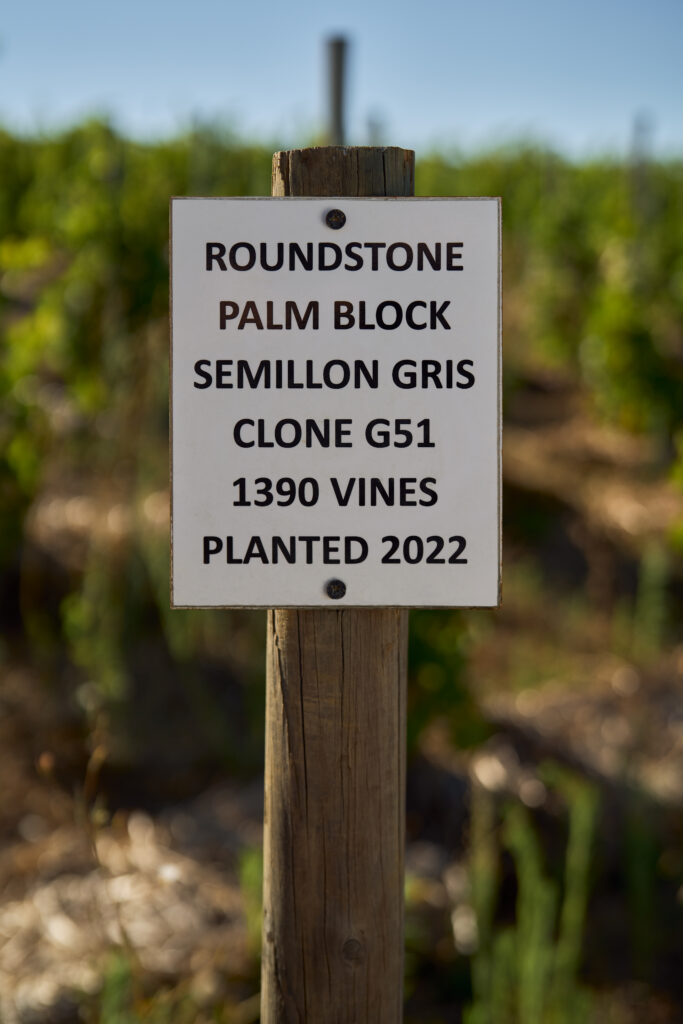
The vineyard is located at Roundstone, the Swartland home of Mullineux and Leeu Family Wines. The project was led by Andrea and Chris Mullineux, co-owners with Analjit Singh. The near-hectare block is South Africa’s first officially certified Sémillon Gris propagation vineyard and has been added to the International List of Vine Varieties maintained by the International Organisation of Vine and Wine (OIV).
“This journey has been about preserving a living piece of world wine history,” says Andrea Mullineux. “Sémillon Gris is part of the Cape’s viticultural DNA. By officially recognising and certifying it, we are ensuring that future generations can continue to grow, study and understand a grape that has quietly been part of our story for centuries.”
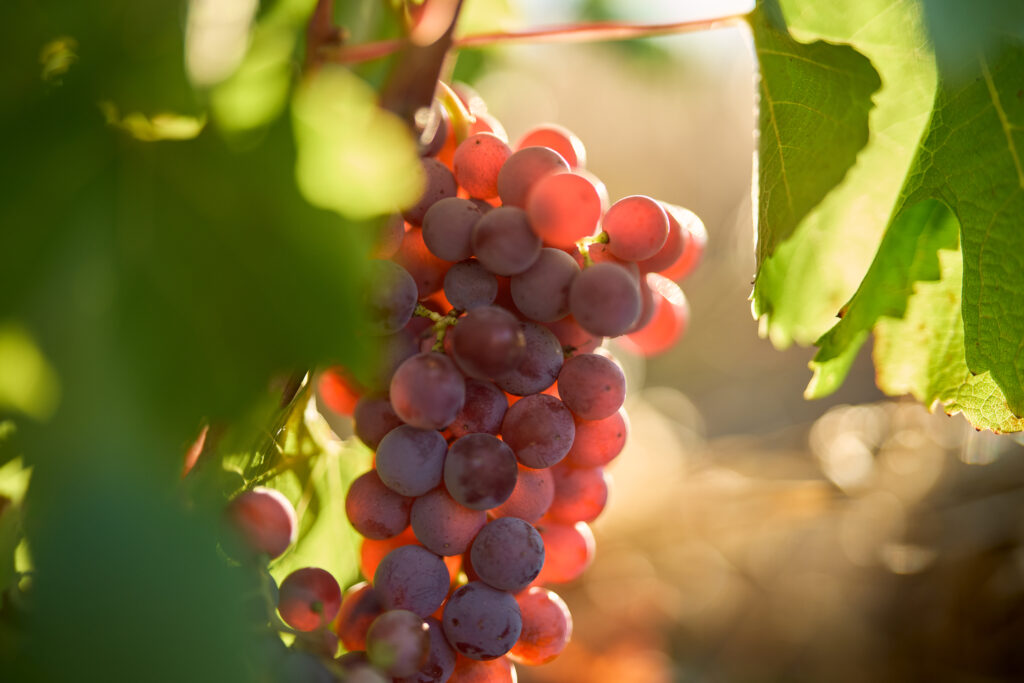
Until now, only Sémillon Blanc had international recognition. Sémillon Gris developed naturally in the Cape as a genetically distinct mutation of Sémillon Blanc, adapting over centuries to the region’s dry, sunny conditions. It is distinguished by dark pink berries, balanced yields, concentration and healthy acidity.
A Forgotten Grape That Helped Build the Cape Wine Industry
 Long before Chenin Blanc became South Africa’s signature white grape, Sémillon dominated the Cape’s vineyards. Its presence dates back to at least the 17th century, while during the 19th-century plantings of Groendruif, or Green Grape, expanded rapidly. By the 1820s, the variety was estimated to account for more than 90% of Cape plantings.
A pink-skinned mutation eventually appeared naturally in these vineyards. Known as Red Green Grape, Rooi Groendruif or Sémillon Gris, it became at least as important as the original white-skinned form.
The two forms were grown, harvested and vinified together, so Sémillon Gris was never treated as a separate variety. Although Groendruif was identified as Sémillon in the early 20th century, post-phylloxera replanting gradually reduced the pink mutation to isolated vines and small groups in old vineyards.
Sémillon Gris became extremely scarce but was never completely lost. Selected wines made from surviving pink Sémillon vines, together with renewed interest in South Africa’s viticultural heritage after 1994, helped revive attention. This interest reflected not only pride and nostalgia, but also appreciation for old vines and varieties that had adapted to local conditions.
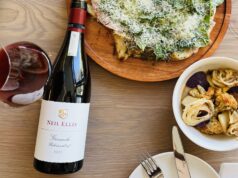
For more than a decade, Andrea Mullineux’s Cape Winemakers Guild auction wine, “The Gris” Sémillon, was made from red Sémillon vines in an old Swartland vineyard containing both Blanc and Gris. Because the Gris vines were not officially recognised, the wine could not previously carry the Sémillon Gris name. Future releases from Roundstone can now be labelled Sémillon Gris — the first wines in the world to do so.
From Old Vines to Official Recognition
 The project began in a dry-farmed Swartland vineyard planted in 1960, where significant populations of Sémillon Gris still grow alongside Sémillon Blanc. Working with Rosa Kruger, whose vision led to the Old Vine Project, the team identified and selected individual Sémillon Gris vines.
Cuttings were taken in 2012 and treated through in-vitro thermotherapy to eliminate pathogens. In collaboration with Vititec, SAWIS and the South African Department of Agriculture, the material then underwent years of propagation, evaluation and official vineyard and wine certification. The certified mother block was established at Roundstone in 2022.
A mother block provides the foundation for future vineyard propagation. The Roundstone block will make healthy, certified Sémillon Gris plant material available to growers and researchers through Vititec, while the OIV listing gives the variety formal international standing for the first time.
Text: Editorial Desk | Images:Mullineux & Leeu Family Wines